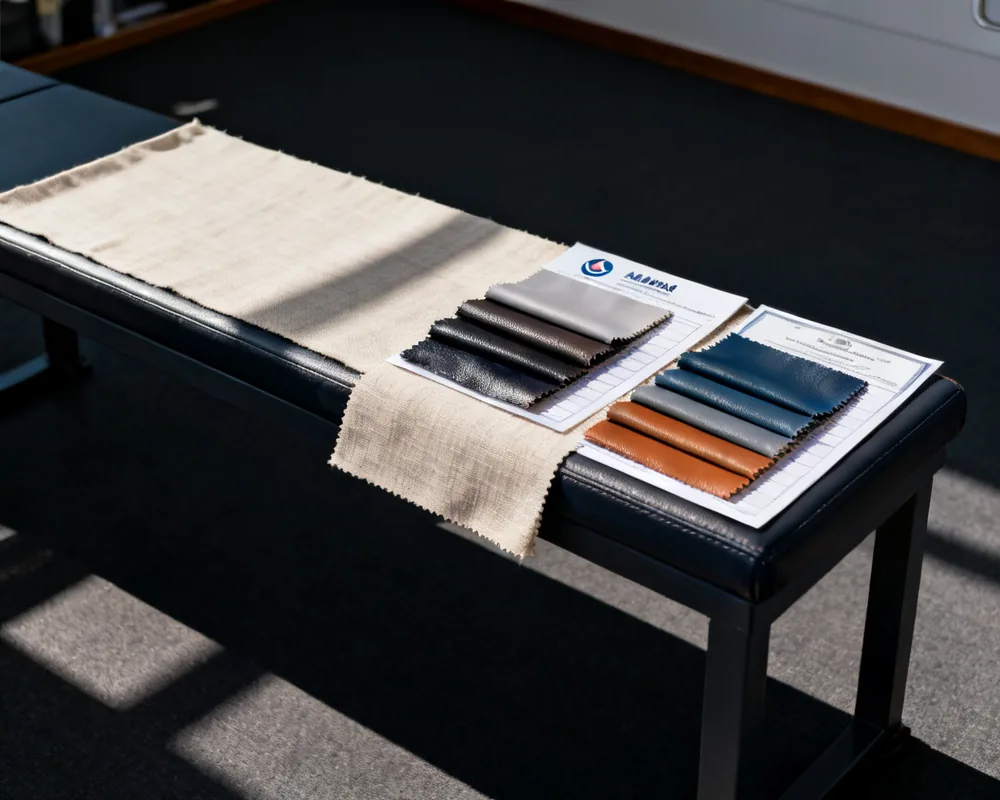
Unlabeled marine vinyl swatches on a dark inspection bench beside a plain backing sample

Evidence before comparison

Morbern — Put the method beside the vinyl claim

  1. MethodName the physical review or the test version you want read.
  2. SpecimenNote finish, conditioning, and whether the piece shows face, backing, or both.
  3. ScopeKeep the record tied to the same marine or contract vinyl reference.
Ask about technical information

Material scope

The published range on this site is synthetic leather and coated fabric, read here as upholstery vinyl for marine seating and contract interiors. The three shelves below are comparison routes, not a stock list.

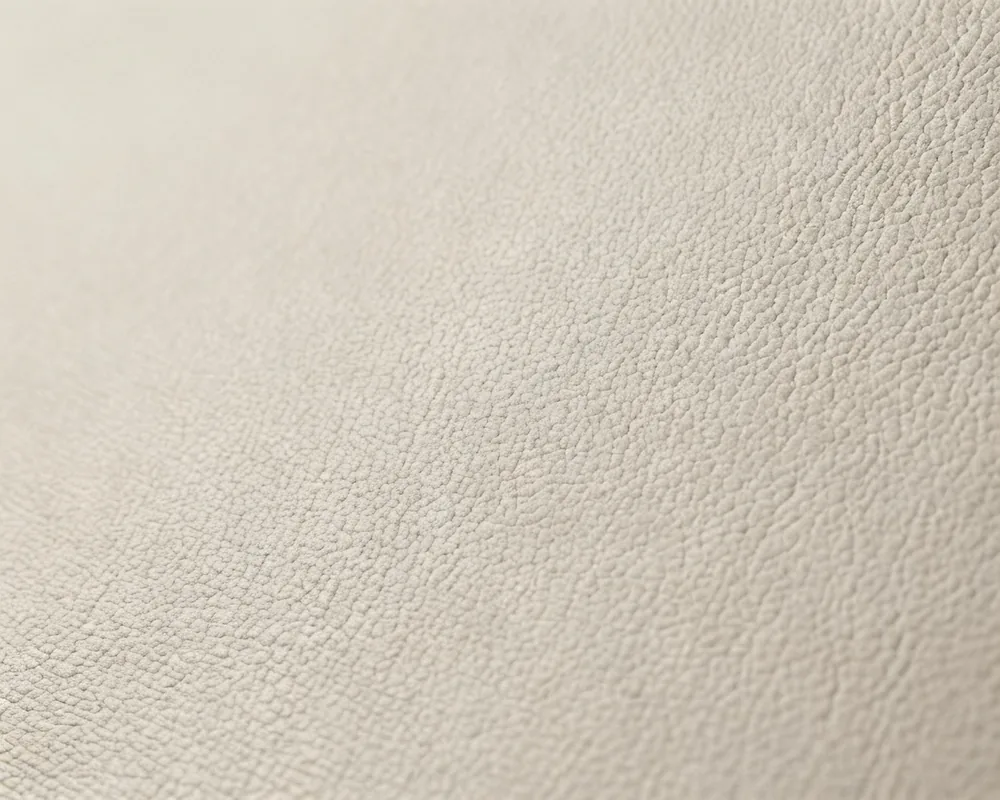
Close view of an unbranded marine vinyl face with a fine grain

Marine vinyl face

Use this shelf when the question is grain, colour direction, or surface touch on a seating face. A trade name such as Allante, Allsport, or Prodigy can be written in the inquiry as a reference to locate, not as proof that a numeric result is already on file. If colour is the issue, ask whether a shade band or lab dip exists for that face, and keep colorfastness as its own method rather than a property of the grain.

Explore relevant materials
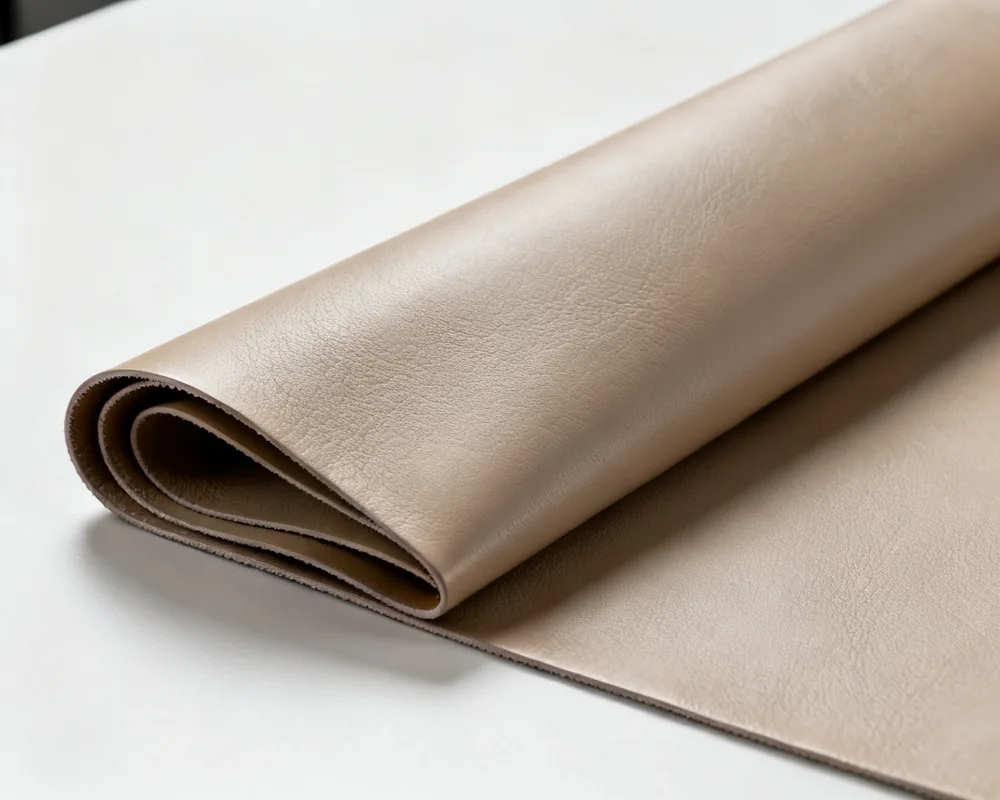
Contract upholstery vinyl folded to show thickness and edge

Contract seating vinyl

Contract work adds abrasion resistance, cleaning chemistry, and seam slippage that a marine cushion may not share. Record the furniture part and the cleaning routine before asking whether two vinyl faces are interchangeable. Pilling and grain loss after cleaning are appearance notes, not the same reading as an abrasion cycle count.

Explore relevant materials
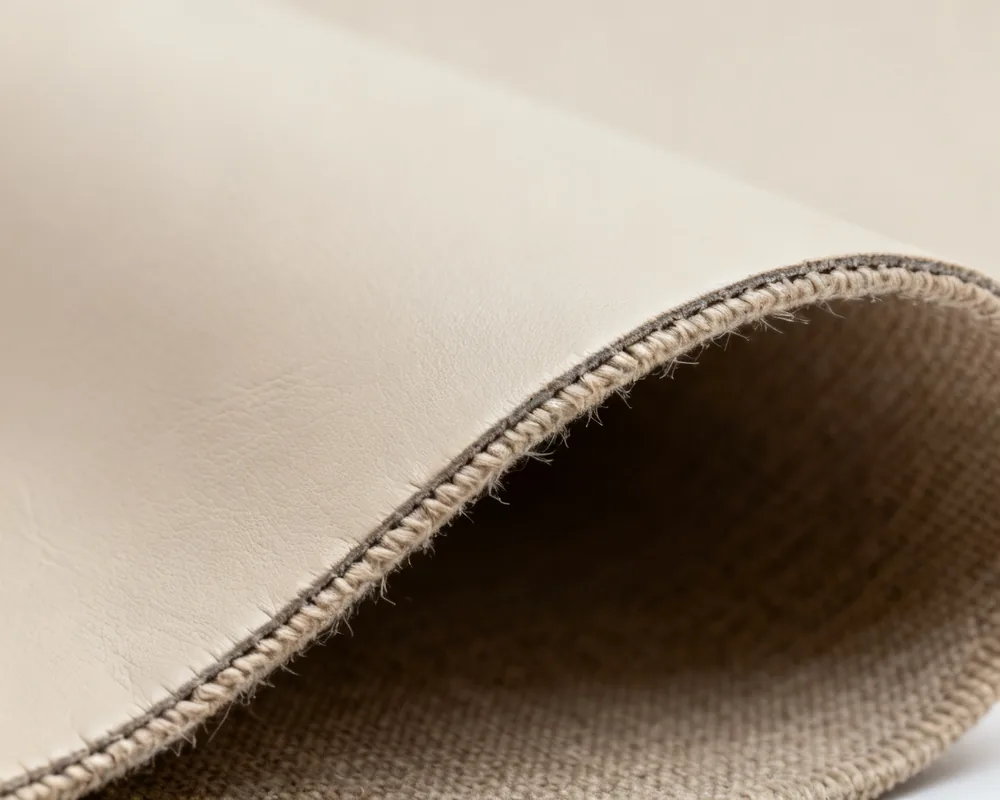
Coated fabric turned to show the textile backing and bond line

Backing and bond

Stretch recovery, sewability, and adhesive compatibility sit in the backing and the bond, not only in the face grain. Coating add-on and lamination are different builds. Ask for the finish record that applies to the chosen construction, including tear strength or tensile strength only when the method and the specimen direction are named.

Explore relevant materials

Prepare the specification

Separate the target from the evidence. Empty cells stay empty until a specimen record supplies them.

Fields to agree; no product performance is implied
Field Target question Evidence question
Composition Is the face PVC, polyurethane, or another coated construction, and what is the backing fibre? Which declaration or specimen label supports that description?
GSM What mass per square metre, with which tolerance, is the brief aiming at? Was the specimen conditioned, and which method version was used?
Usable width What cuttable width remains after selvedge or unusable edge? Is the width stated for the roll under discussion, or only as a nominal figure?
Finish Grain, gloss, protective topcoat, and backing treatment are separate notes. Does the sample still carry the finish that the seating part will see?

Sample-to-bulk checkpoints

  1. Define the brief

    Write the vinyl reference, the face and backing you can see, and whether the part is a marine cushion, a helm seat, or a contract chair. Quantity and destination can wait until the material question is stable.

  2. Review the sample

    Compare a dated reference piece with the proposed specification. Note grain, hand, colour, and stretch only where those criteria matter. A request for a swatch does not by itself confirm that a swatch is available or that bulk will match it.

  3. Confirm the order context

    When the material question is clear, add the supply format you need to discuss: roll, cut length, or another format that actually applies. Identification and packing notes belong in that same conversation, without an assumed lead time.

Send one clear material brief

Composition · construction · GSM · usable width · finish

Discuss your fabric requirements